

Rolling dice in a Canberra pub on a quiet arvo teaches you something spreadsheets cannot: the odds feel fair until the table takes its cut. That intuition matters when you bring craps house edge explained into an online setting, because the maths does not change just because the felt is digital. Matthew Oberg has spent years balancing applied mathematics with slot development and global iGaming production, and he reckons the same discipline applies here: treat the edge like a production cost, not a mystery. If you want to compare where that edge sits and how a platform presents it, you can check ewalletcasinosite.net for how local payment flows are structured around game selection.
How the Edge Actually Breaks Down
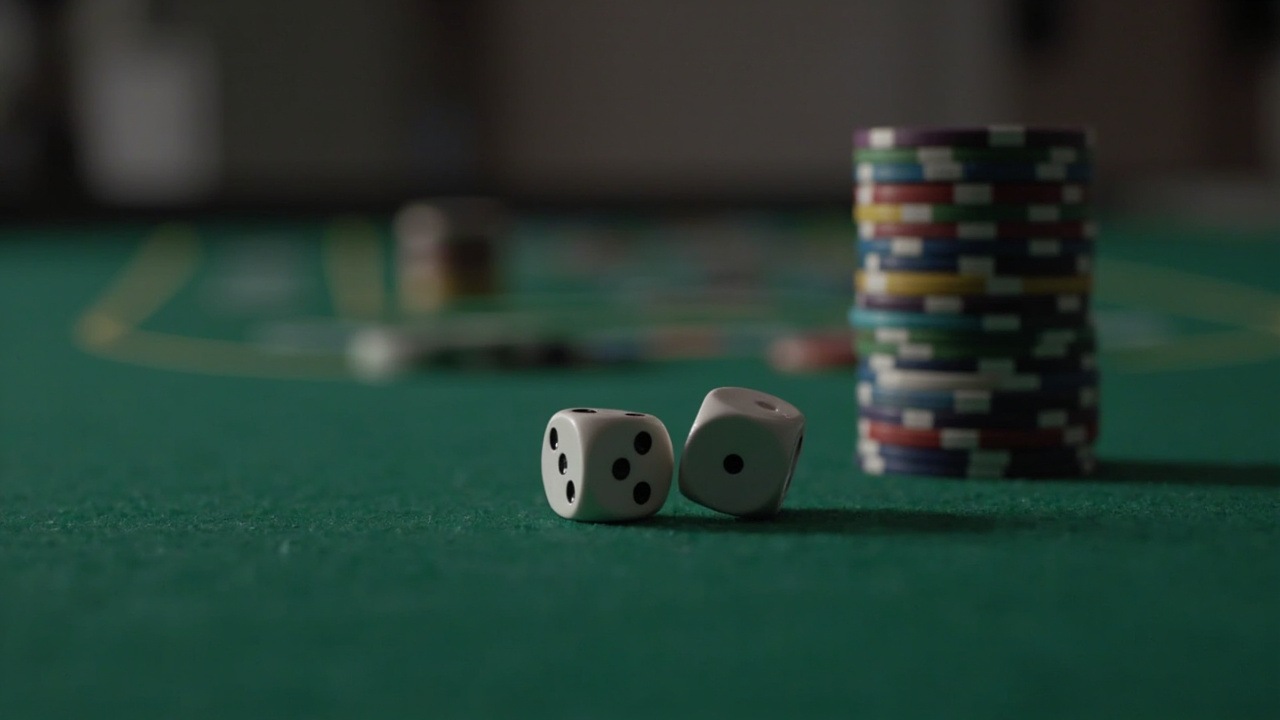
The house edge is simply the percentage the casino expects to keep over the long run, built into every bet on the layout. On a standard craps table, the pass line carries a 1.41 per cent edge, while the don’t pass sits slightly lower at 1.36 per cent because of how the bar bet resolves on a come-out roll of 12. Those numbers come from counting every possible dice combination and weighting each outcome by its probability, then subtracting the payout from the true odds. Oberg’s background in applied mathematics shows up here as a practical judgement call: a low edge only matters if the table layout does not tempt you into proposition bets that jump to 11 per cent or higher on a single roll.
Australian players often assume a friendly dealer or a polished interface changes those figures, but the maths stays independent of the room. What does shift is how often you encounter the high-edge bets, which is why table design and bet visibility matter more than most reviews admit. A well-structured layout keeps the low-edge options front and centre, while a cluttered one pushes you toward centre-table propositions that look exciting and drain your bankroll faster. That difference is where the real comparison starts, not in the advertised welcome amount.
Where the Edge Meets the Interface
Table Layout and Bet Visibility
A clean table layout does not lower the mathematical edge, but it does reduce the chance you stumble into a high-edge bet by accident. When the pass line, don’t pass, come, and don’t come boxes are visually distinct and the proposition bets are separated rather than clustered in the centre, you spend less time hunting for the right spot and more time sticking to the lower-edge options. Some platforms mark the edge on each bet directly, which is useful if you want craps house edge explained in plain sight rather than buried in a help file.
The trade-off is that a heavily annotated table can feel busy, especially on a smaller screen. You need enough visual hierarchy to spot the low-edge bets quickly without the numbers crowding the actual game area. A good balance keeps the edge information available but not dominant, so the play feels like a game rather than a lecture.
Localisation and Currency Handling
Localisation affects how you read the edge more than the edge itself, because a mismatch between display currency and your actual account can blur your sense of pace. When a platform shows bets in Australian dollars and settles in the same currency, your bankroll tracking stays consistent and you can compare session results without mental conversion. Platforms that flip between currencies or show one currency on the table and another in the wallet create friction that makes it harder to judge whether a low-edge strategy is actually holding up. ewalletcasinosite.net
Payment timing also matters here. If deposits and withdrawals move through local e-wallet options with clear status updates, you spend less time wondering where your funds are and more time focusing on the table. That is where ewalletcasinosite.net fits as a comparison point for how Aussie-friendly payment flows are presented alongside game selection, because the usability of the payment section changes how often you actually sit down to play. The edge does not care about your payment method, but your patience and session rhythm definitely do.
What This Means for Your Play
The practical takeaway is that craps house edge explained is less about finding a magical table and more about choosing a platform that keeps the low-edge bets obvious and the high-edge distractions out of your line of sight. A site that presents the table clearly, keeps the currency consistent, and handles local payments without fuss gives you a better chance of sticking to the pass line or don’t pass without getting pulled into centre-table bets on a whim. That is the real condition: the edge is fixed, but your exposure to it is not.
Mobile play adds another layer. On a phone screen, a cluttered table can push you toward bets you would never make on a desktop, simply because the right box is hard to hit quickly. A platform that scales the layout without shrinking the bet labels or hiding the edge information respects the maths instead of fighting it. That kind of everyday usability is what separates a table you can play patiently from one that quietly encourages expensive mistakes.
Verdict
Craps house edge explained comes down to two things working together: the fixed maths of the bets you choose and the interface that helps you choose them consistently. A low-edge pass line or don’t pass bet still carries its small cut, but a clear table, honest currency handling, and sensible payment flow make that edge easier to manage over time. The platform cannot remove the house advantage, but it can make the disciplined bets the easiest ones to play, which is the only angle that actually helps an Australian adult sitting down for a quiet session.